


Bleeding Disorders Conference 2026
Day 3: Shaping What's Next
Shaping What's Next:
Advocacy, Research, and the Future of Care
Throughout the final day of the 2026 Bleeding Disorders Conference, conversations focused on accelerating diagnosis, advancing research, building independence, and strengthening advocacy. Attendees explored what's possible for the future while celebrating the leaders, providers, volunteers, and community members making a difference today.
Finding Answers,
Finding Your Voice
Almost every woman in the bleeding disorders community has a story about their symptoms not being taken seriously.
They have been told their heavy menstrual periods, pain, and fatigue are normal, they have been told they were being “dramatic” or exaggerating their symptoms, and when they advocate for better treatment, they have been labeled as “difficult.” This treatment is not unique to women with hemophilia or von Willebrand disease, but is rather the result of systemic mistreatment of women in health care, and goes back centuries.
Mina Nguyen-Driver, Psy. D., a healthcare provider with a personal connection to bleeding disorders, and Gabi Flores, a lived experience expert, explored the historical reasons for this in Dismissed and Misdiagnosed: Why Providers Misdiagnose Women More Often. Dr. Nguyen-Driver began by highlighting some stark facts: it often takes women much longer to get diagnosed and treated for a medical condition than men. Endometriosis has a diagnostic delay of 4-10 years; von Willebrand 16 years; and heart disease, the leading cause of death in women, often presents in women as fatigue, nausea, shortness of breath, or sleep disruption rather than the chest pain more classically associated with men, and more likely to be diagnosed as related to anxiety or depression rather than cardiac-related.
The reason for this, Dr. Nguyen-Driver said, is that medicine has historically been organized around men: research has often centered male bodies and symptoms, women’s pain, especially menstrual or pelvic pain is normalized, and symptoms are often attributed to stress, anxiety, weight, or psychological issues before a physical cause is explored. Women for centuries have been viewed as physically weaker, less rational, and ruled by emotions caused by their reproductive system. The word “hysteria,” she pointed out, is derived from the Greek word for uterus, as an illustration of a long pattern of women’s physical symptoms being conflated with their emotions.
Gabi Flores experienced much of this first-hand. Despite having family members (a grandmother, mother and cousin) with hemophilia and platelet disorders, her struggle for a definitive diagnosis took years. When she began menstruating at 11, her periods often lasted weeks. At 13, she experienced a period that lasted six months. Repeated tests for hemophilia and von Willebrand disease showed borderline results, and she was told she was probably iron deficient, or just tired from playing soccer.
It wasn’t until she and her parents embarked on an 8-hour trip to a specialist in Kansas City that she was finally diagnosed with a platelet disorder, but that didn’t end her difficulties. Her healthcare providers were unfamiliar with platelet disorders, gave her incorrect advice, and she still struggled with heavy periods and joint bleeds. It wasn’t until she came under the care of Michael Tarantino, MD, who took the time to fully test her and educate her on her disorder, that she felt she had a handle on her condition.
For women who are still struggling to get adequate care, Nguyen-Driver and Flores had advice:
Educate yourself about your bleeding disorder
Ask questions and seek second opinions when an explanation feels incomplete.
Track symptoms, medications, appointments, test results, photographs, and bleeding patterns in a notebook or secure tracking method.
Bring a support person to appointments, especially someone who can help ask questions, take notes, and reinforce concerns.
Join local chapters, NBDF, peer groups, and women-centered advocacy networks.
Participate in clinical research and ask clinicians about relevant studies.
Advocate for research funding and better care.
Women should not have to navigate gender bias, diagnostic delays, and fragmented care alone.
And while personal advocacy is important, to change the system, community education, research participation, and collective action are necessary. Women deserve to be believed and treated as authorities of their own health.


Turning Your Experience into Evidence
NBDF is working to change the way women are represented in bleeding disorders research. As evidence grows for the value of lived experience in research studies, NBDF offers routes for community members to get involved.
One way women can help increase women’s representation in bleeding disorders research is NBDF’s Community Voices in Research, a community-powered registry that captures the lived experience of adults with bleeding disorders. Matt Hartnett, BS, MPH, senior community research network manager at the National Bleeding Disorders Foundation (NBDF), explained how this initiative is deepening our understanding of bleeding disorders, during the session, Reimagining Bleeding Disorders Research: More Than Clinical Trials.
Research, said Hartnett, is just a structured way of asking questions to build a comprehensive understanding of a topic. He introduced the "research iceberg" concept to illustrate that while most people are familiar with clinical trials, research that tests the efficacy of a specific medicine, there is a much larger foundation below the surface, including patient registries, focus groups, observational studies, and community advisory boards.
Much of what people consider to be research is done by doctors: experts in the "what and how" of medicine. However, patients and their families are the experts on the "what and why" of daily life. Hartnett shared insights from two lived experience experts, Grace and Quinn from the NYLI, NBDF’s youth leadership program. Quinn noted that researchers often miss the emotional "mental load" of managing a disorder, such as the exhaustion of logging bleeds or infusing. Grace pointed out daily realities that don't show up in clinical trials, like the social anxiety of needing a bathroom pass in a classroom setting. To really gain a full picture of what it means to live with a bleeding disorder, Hartnett said, researchers need the input of the community, and personal knowledge is the key to getting that full understanding.
Hartnett provided several concrete examples of how community data is used to drive real-world change. Data from community registries was taken to Washington, D.C., to support the "Fed Up Bill," which aims to increase women’s participation in bleeding disorders research and decrease the diagnostic gap. Further, NBDF’s Medical and Scientific Advisory Council (MASAC), used an observational study that found only 4% of 10,527 females with bleeding disorders had been screened for iron deficiency, yet 72% of the individuals met criteria for iron deficiency. This led to a new MASAC recommendation for routine iron deficiency screening for everyone with an inheritable bleeding disorder.
Community data can also challenge common assumptions in the medical field. Hartnett highlighted a recent study using data from CVR: while 54% of males are diagnosed at their first symptom, 46% of females wait more than ten years for a diagnosis. Additionally, 39% of women reported heavy periods as their first symptom, and 42% had undergone hysterectomies, raising questions about how many could have been prevented with earlier diagnosis. Another surprising finding showed that individuals with severe hemophilia often engage in higher-risk physical activities than those with moderate cases. This is likely because those with severe hemophilia manage their condition prophylactically. This was a pattern that only became visible because community members shared their experiences.
Participating in CVR doesn’t just help researchers understand bleeding disorders – there are benefits for participants as well. CVR offers a personalized dashboard where participants can compare their data to others, and access maps of local chapters and HTCs. To protect patient privacy, CVR has a certificate of confidentiality from the NIH and uses industry-leading encryption to ensure all data remains de-identified and aggregated. And for people who want to get even more involved, Hartnett encouraged attendees to apply to NBDF’s Lived Experience Expert Research Advisory Council next year.
To learn more about CVR, including how to enroll, visit NBDF’s website.
Using Your Voice to Create Change
Living with an ultra-rare bleeding disorder has its own set of challenges, said Bridget Edwards at the session, Ultra-Rare Bleeding Disorder Advocacy Beyond the Diagnosis, but she has learned to self-advocate to get the care she needs. A routine blood test as an infant led to her diagnosis of afibrinogenemia, a fibrinogen deficiency that affects only 1-2 people in a million. The blood test revealed there was no fibrinogen in her blood, and she began receiving cryoprecipitate – at the time the only treatment available. Her childhood was marked by bruising, and injuries, but she remained active, playing softball, tennis and volleyball under the guidance of her hematologist. An upper thigh bleed, caused by playing on a sprained groin muscle, resulted in a bleed lasting four months. She treated the bleed with cryoprecipitate every two days until she began to develop an allergic reaction to it.
Living with a bleeding disorder that is rarely seen even at hemophilia treatment centers is difficult, she said. “Every hematologist that I have currently worked with over at least the past 10 years has known nothing about my bleeding disorder,” she said. “It does turn into us teaching them sometimes.” She is not surprised by the lack of understanding, due to the rarity of the disease. But it has led to some dangerous situations. She had two ports for infusions that were placed in a manner that caused her a great deal of physical pain, and the third port led to dangerous blood clots on the top of her brain. “I specifically remember my hematologist had come in, sat beside me in my hospital bed, and started crying. She told me she did not know how to treat a blood clot in someone with as ultra-rare a bleeding disorder as mine.” She and her mother were able to eventually find a hematologist who could work with her own doctor to treat the clot, but the experience made her realize how hard she might have to fight for answers. “Asking one more question can really help you in understanding your overall well-being and helping you get to a better, safer place,” she said.
She is comfortable now with not only advocating for herself, but for others in the ultra-rare bleeding disorders community. She has attended NBDF’s annual advocacy event, Washington Days, and shared her story with her elected representatives. She encouraged people who are comfortable sharing their story in public to do so. “Every story adds awareness and opens doors for research and better care,” she said.
Preparing the Next Generation
For most teens and young adults, independence doesn't happen all at once. It is built through experience, preparation, and support. From learning to manage treatment to advocating for accommodations at school and college, parents and young adults shared practical strategies for helping the next generation gain the confidence and skills needed to take charge of their own care.
When young people begin taking on adult responsibility, managing the new dynamic can take some adjustment on both sides. Parents need to learn to let go and embrace their child’s authority over their own life, and the child needs to learn to grow confident in their ability to manage their life and own their decisions. A panel of parents and young adults discussed this shift during Letting Go While Empowering Independence in Bleeding Disorders, a facilitated discussion led by Cammie Starner, MA, BSN, RN, CCRC, a nurse and member of the bleeding disorder community, and her daughter, Maria Starner, a student at Ohio University and an advocate for women with bleeding disorders.
Supporting a child who is transitioning into adult responsibilities is not a sudden handoff, Cammie Starner said. Rather, it is one of support, allowing the children to learn to speak for themselves, manage medications, and communicate with teachers, health care providers and other authority figures while feeling secure in the knowledge that a parent or caregiver is there to lend a hand if needed. Parents should think about reframing their role from one of a manager – someone who takes care of everything, speaks first, and solves the problems – to one of a coach: a supportive person who offers encouragement and helps the young adult build skills to manage on their own.
Creating an Emergency Plan
Much of the discussion centered around emergency preparedness. It’s important that young adults be prepared with knowledge before an emergency happens, so parents should work with their young adults to make sure they know:
Where medication and supplies are kept.
How and when medication should be used.
What to expect after treatment.
Which providers, treatment centers, and emergency contacts to call.
How to access a travel letter and medical information when away from home.
The Big Test
College is often the first step that young adults take toward independence. But many young adults find themselves having to deal with unfamiliar surroundings and learning how to navigate and advocate for accommodations can be an instructive process. The panel encouraged the students to contact the disability or accommodation offices at their schools early, because they may find themselves in need of accommodations for things they had not anticipated, such as flexibility around missed classes, late arrivals, or exams after a medical issue; a private refrigerator for medication, or parking closer to classes or housing. The panel urged students to think of accommodations as something they are eligible for, and that there is no shame in requesting them.
The goal is not to toss young adults into the deep end of adulthood and hope that they will swim. It is to build competency through opportunities for young adults to learn skills that they will need for the rest of their lives.
And starting with small things, such as scheduling appointments, communicating with clinicians, refilling prescriptions, preparing treatment supplies, or talking with professors, employers, roommates, and coaches, can help ease young adults into the habits of independence while still feeling safe and supported.
It can be difficult to step out of the way and let children walk ahead on their own. Parents want to protect their children, and young adults may be anxious, worried about drawing attention to their condition, or leery of making calls and appointments. But controlled practice—allowing small mistakes while a parent remains nearby—can build a confident and capable young adult.
Rewriting the Future
Gene therapy is an avenue of treatment that holds tremendous potential, but also many unanswered questions. One session explored the promise, challenges, and ethical questions surrounding gene editing and its potential role in hemophilia treatment.
Is gene editing the future of hemophilia treatment? That was the central question of a fast-paced debate between Tammuella Singleton, MD and Tung Wynn, MD. In a session designed more to spark discussion than seek a definitive answer, the two expert hematologists took loose pro/con sides as they discussed the feasibility, safety, affordability, and ethics of using the gene editing technology to alter genes so they can produce enough factor to prevent bleeds in someone with hemophilia.
First, what it is. Gene editing is a technology that uses CRISPR, a system that delivers molecular “scissors,” to cut and repair DNA. As opposed to gene therapy, which adds a working copy of the F8 or F9 gene to a person’s DNA, gene editing fundamentally edits the gene so it works correctly. Dr. Singleton, taking the “pro” stance, was quick to remind attendees that CRISPR is still being studied and there is no FDA-approved gene editing therapy for the treatment of hemophilia.
Dr. Singleton pointed to the potential benefits of gene editing. By altering a person’s gene, there is potential for a permanent solution. It would allow for sustained factor production, without the peaks and troughs associated with factor replacement. It could last longer than current gene therapy options. AAV gene transfer shows what can be achieved now, while gene editing may offer a more durable next-generation option. It’s what’s next, she said.
Dr. Wynn took a more cautious approach.
AAV delivery systems have many challenges due to the body’s immune response. More seriously, there is the potential that it could make cuts or changes where it isn’t supposed to, leading to unforeseen consequences such as cancer. Also, there are currently very good treatment options for hemophilia which are much less burdensome to patients. With the current state of hemophilia therapy, and more in the pipeline, is gene editing even worth the risk?
Both debaters acknowledged that affordability within the current US healthcare system is an issue. The costs of developing functional gene editing are immense. “How do we take in the monumental costs associated with developing this and make this something that is realistically accessible?” Dr. Singleton asked.
Dr. Wynn posed a more philosophical question. “We’re talking about actually now altering our DNA. Is it our place in this universe for us to do this? Are we changing ourselves in such a way that was never intended?”
The debate gave attendees plenty to think about, and no doubt future discussions will continue in both research labs and across kitchen tables as the bleeding disorders community looks into the future.
Celebrating the Leaders Among Us
Throughout the conference, attendees explored how advocacy, research, education, and community engagement are shaping the future of bleeding disorders care. Much of that progress is driven by dedicated chapter leaders, volunteers, advocates, health care providers, and community members who work every day to support others and create meaningful change.
During the 2026 Awards of Excellence ceremony, NBDF recognized these extraordinary individuals whose leadership, commitment, and perseverance continue to move the community forward. Congratulations to this year's recipients. The bleeding disorders community would not be where it is today without you!
See You Next Year!
The conversations started at BDC 2026 don't end here. As we work to advance research, accelerate diagnosis, and expand access to care, we will continue to engage with our community members every step of the way. Thank you for being part of this community and helping shape what comes next. We can't wait to see you next year.

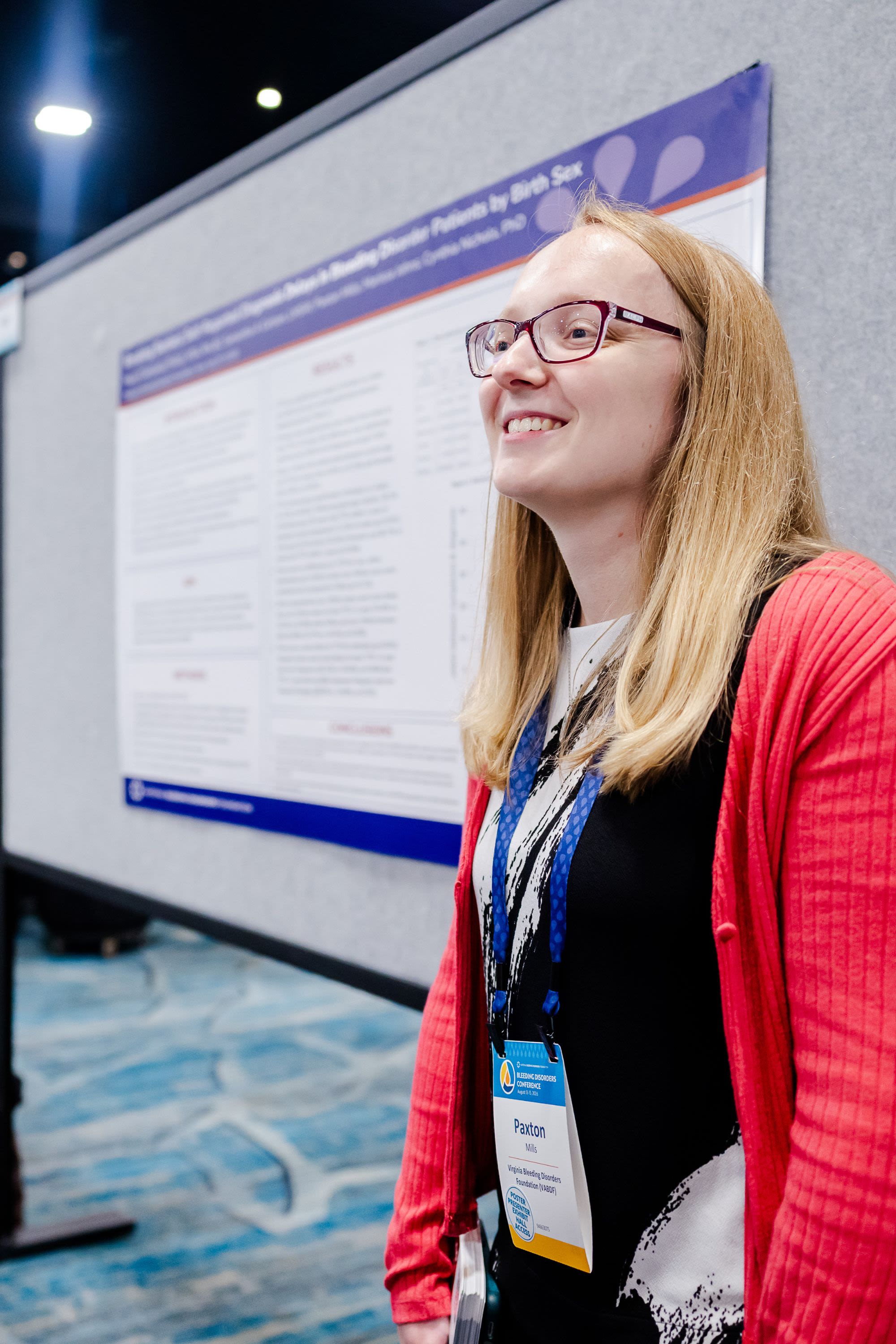
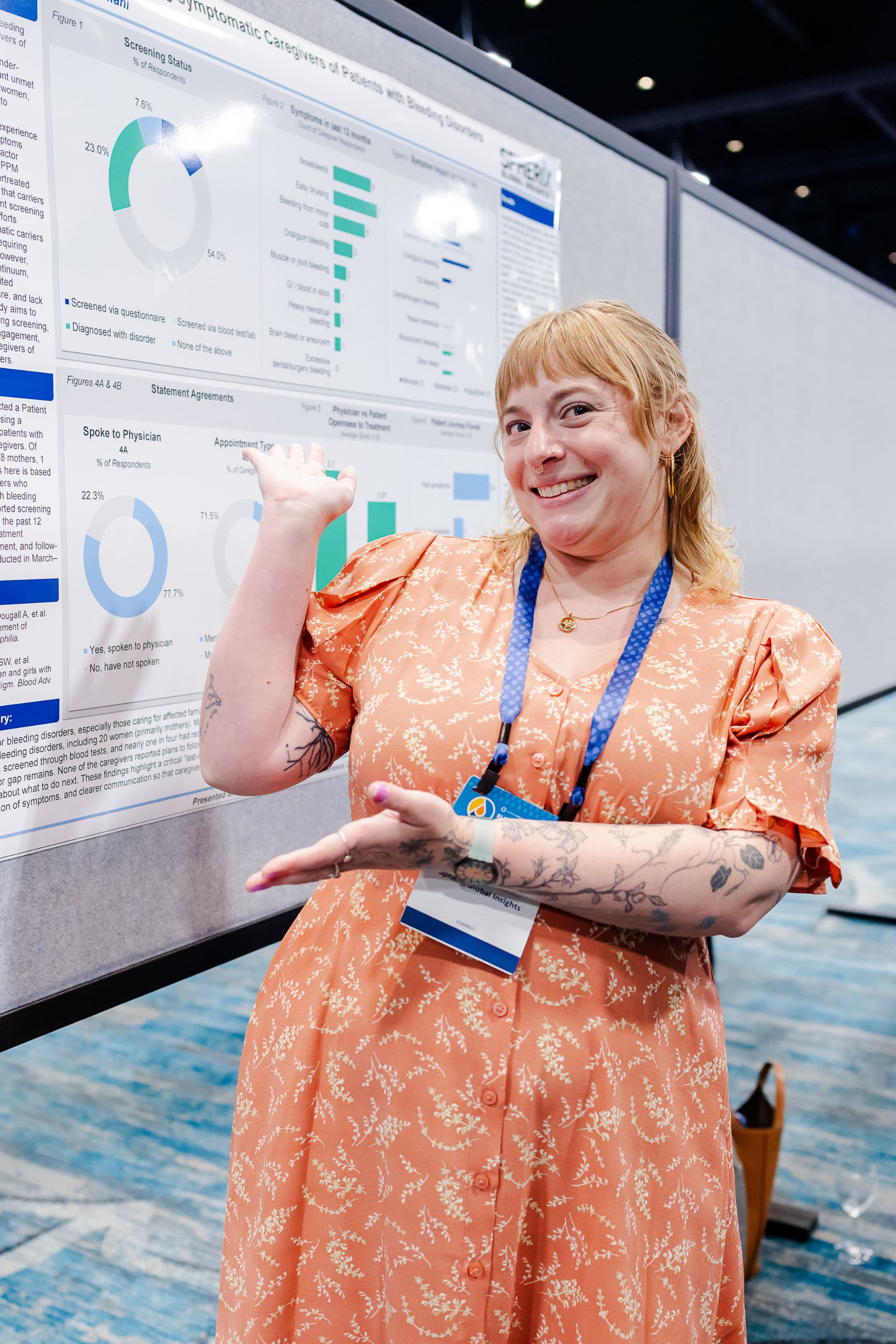
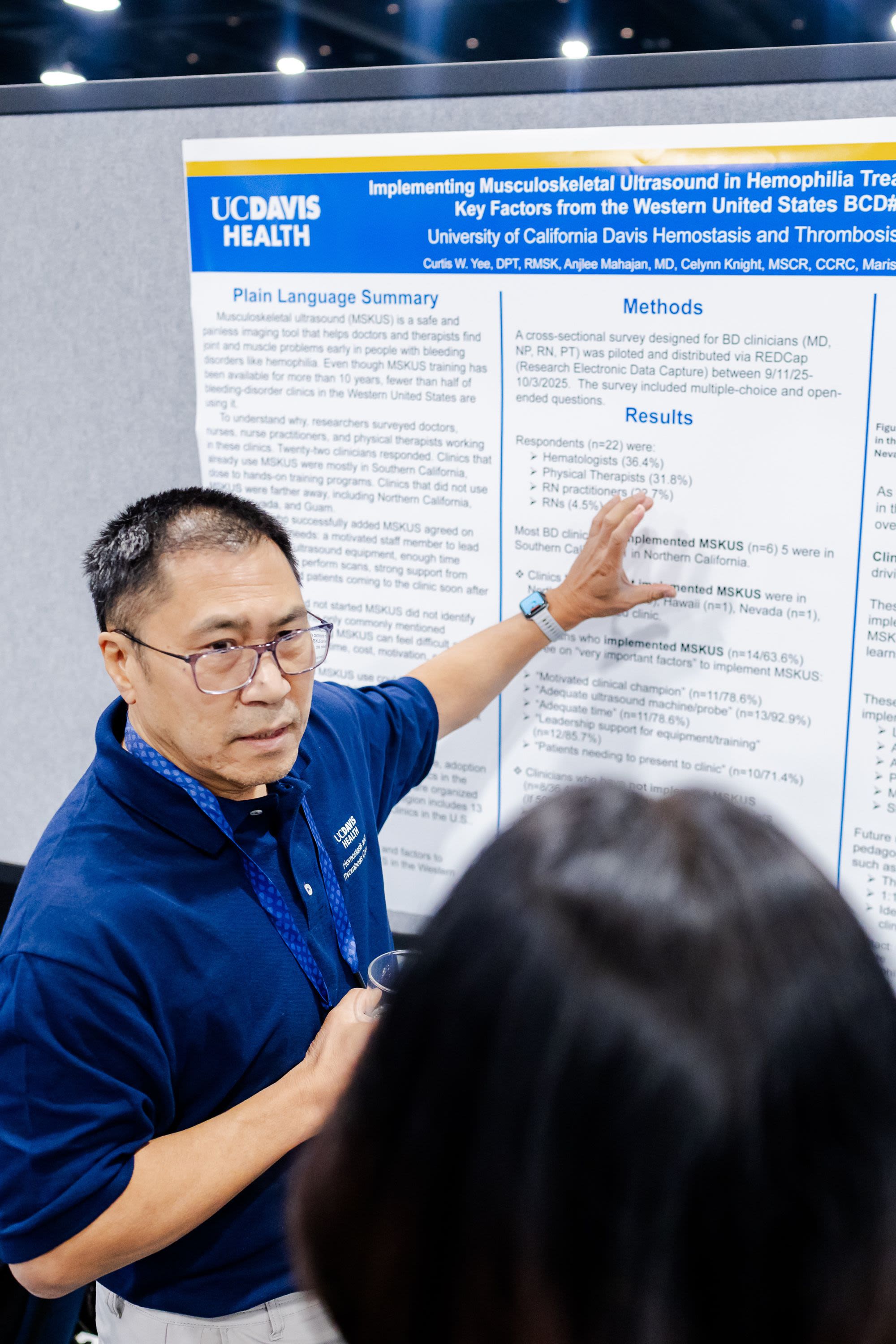
The Bleeding Disorders Conference brings together patients, families, and health care professionals for three days of insightful educational sessions, valuable networking opportunities, and a dynamic exhibit hall featuring leading pharmaceutical partners, organizations, and research poster abstracts.
The National Bleeding Disorders Foundation (NBDF) is dedicated to finding cures for inheritable blood and bleeding disorders and to addressing and preventing the complications of these disorders through research, education, and advocacy, enabling people and families to thrive.
© National Bleeding Disorders Foundation
All rights reserved.
 Built with Shorthand